Why Stress Is Making Your Breathing Feel Tight or Shallow
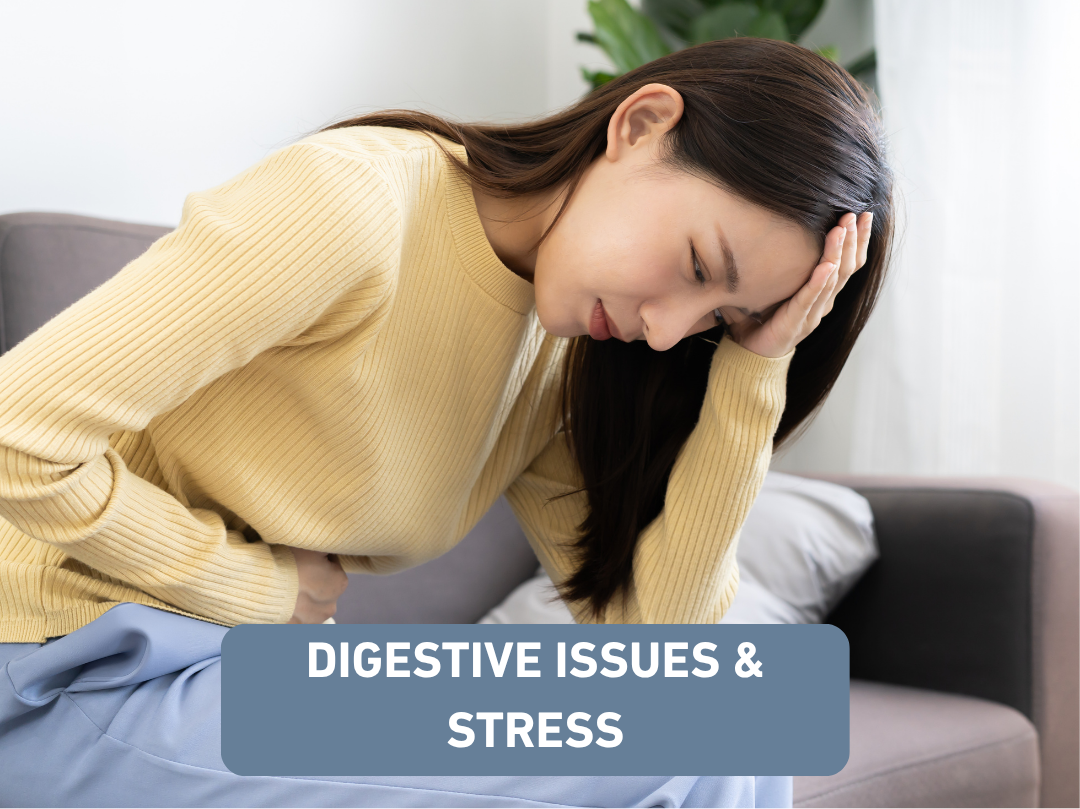
Many professionals working in downtown Vancouver experience symptoms like shallow breathing, chest tightness, or the feeling that they “can’t take a full deep breath.”
In many cases, there is no serious lung or heart issue involved.
Instead, the problem is often connected tochronic stress, nervous system overload, and prolonged tension patterns in the body.
At Reversepain Therapy & Acupuncture, we frequently help clients in Vancouver who experience breathing discomfort that becomes worse during stressful work periods, long commutes, or mentally demanding days.
🔹 How Stress Changes the Way You Breathe
When the body is under stress, the nervous system automatically shifts into a protective “fight or flight” response.
This changes normal breathing patterns by causing:
Tightness in the chest muscles
Reduced diaphragm movement
Faster and shallower breathing
Increased tension in the neck and shoulders
Reduced oxygen efficiency
Over time, the body begins treating shallow breathing as its normal pattern.
This is why many people feel like they are breathing all day—but never fully relaxing.
🔹 Common Symptoms of Stress-Related Breathing Problems
Many Vancouver professionals describe symptoms such as:
Feeling unable to take a satisfying deep breath
Chest tightness during work or stressful situations
Frequent sighing or yawning
Neck and shoulder tension while breathing
Feeling anxious when focusing on breathing
Shortness of breath without medical explanation
These symptoms are especially common among people working long hours at desks or under constant mental pressure.
🔹 Why It Often Feels Worse During Stressful Weeks
During periods of increased stress, the nervous system becomes more activated.
As a result:
Breathing becomes faster and more shallow
Muscles around the chest tighten further
Anxiety and breathing discomfort feed into each other
The body struggles to fully relax
This creates a cycle where stress affects breathing—and poor breathing increases stress.
🔹 The Connection Between Posture and Breathing
Poor posture from desk work can also contribute significantly.
Many professionals in downtown Vancouver spend hours sitting with:
Rounded shoulders
Tight upper chest muscles
Forward head posture
Limited rib movement
This physically restricts healthy breathing mechanics.
Combined with stress, the breathing pattern becomes even more limited.
🔹 What Actually Helps
Improving stress-related breathing problems requires more than simply “taking deep breaths.”
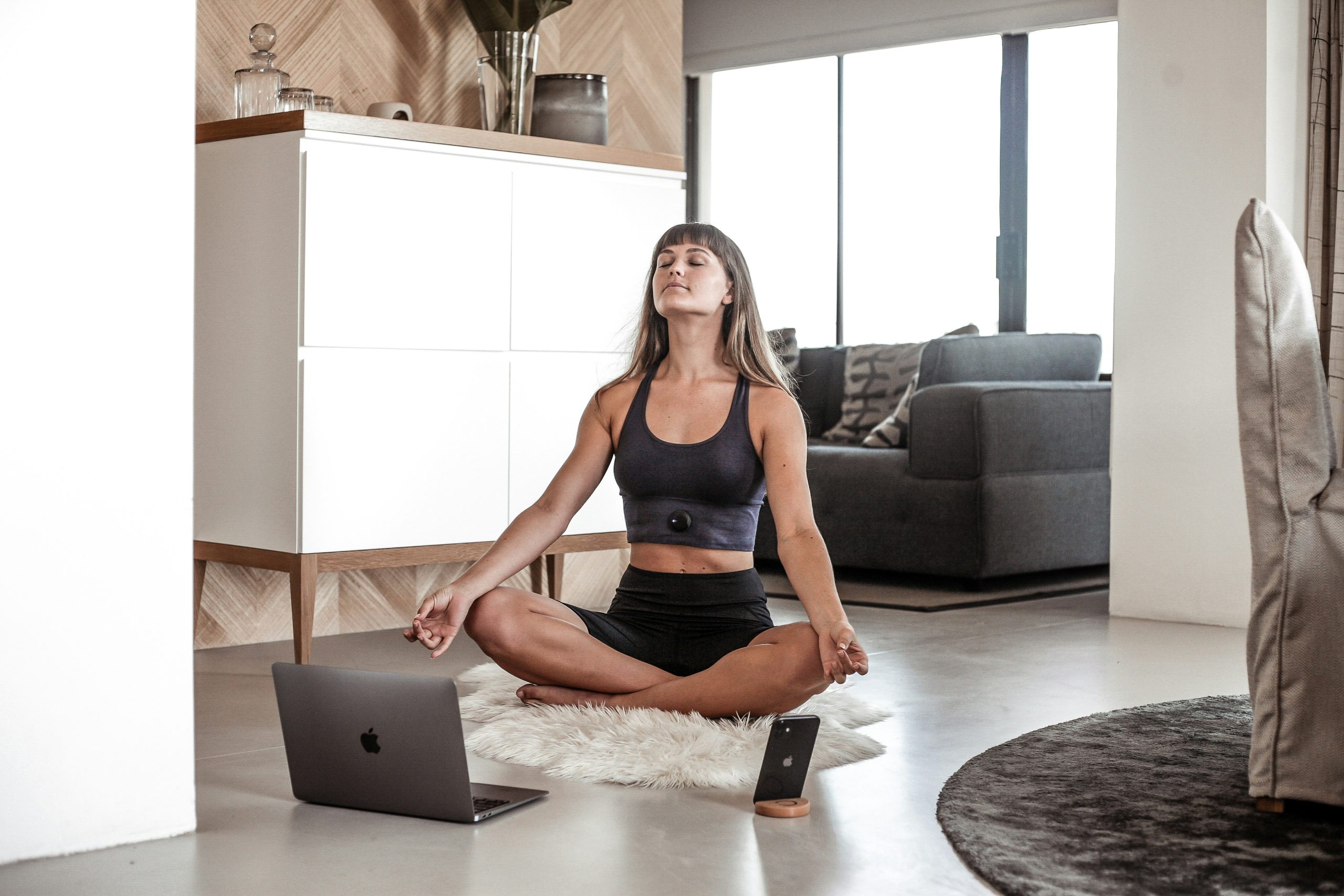
The body needs help returning to a relaxed nervous system state.
1. Nervous System Regulation
Reducing internal stress signals allows breathing to slow naturally.
2. Chest & Diaphragm Release
Improving mobility in the chest and ribcage helps restore natural breathing mechanics.
3. Neck & Shoulder Tension Reduction
Breathing improves when surrounding muscles stop overworking.
4. Body Awareness Training
Learning how stress affects posture and breathing patterns helps prevent recurrence.
5. Recovery-Based Lifestyle Changes
Small daily recovery habits help reduce overall nervous system overload.
🔹 How Reversepain Therapy & Acupuncture Helps
At Reversepain Therapy & Acupuncture, we focus on both the physical and neurological causes of stress-related breathing tension.
Led by Brian Jang, our Functional Rehabilitation approach helps:
Improve breathing mechanics
Reduce chest and upper body tension
Calm the nervous system
Restore relaxation response
Improve overall stress recovery
Our goal is not only to help you breathe better—but to help your body feel safe enough to fully relax again.
🔹 Final Thoughts
If you constantly feel tightness in your chest or struggle to take a deep breath despite normal medical tests, stress may be playing a major role.
For many professionals in Vancouver, improving breathing starts with calming the nervous system and reducing long-term tension patterns.
Learn more about stress recovery and Functional Rehabilitation:https://www.reversepain.ca/