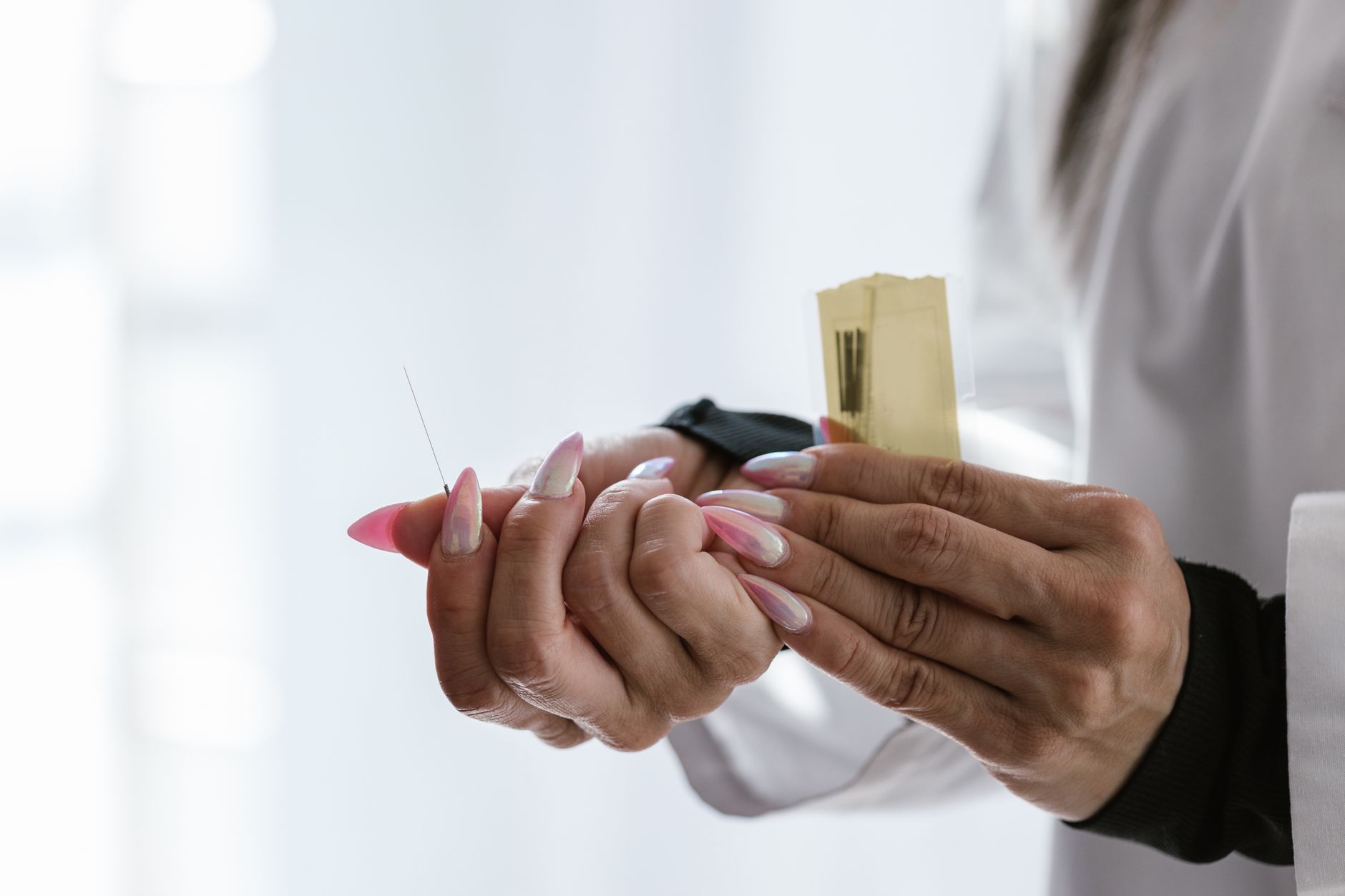
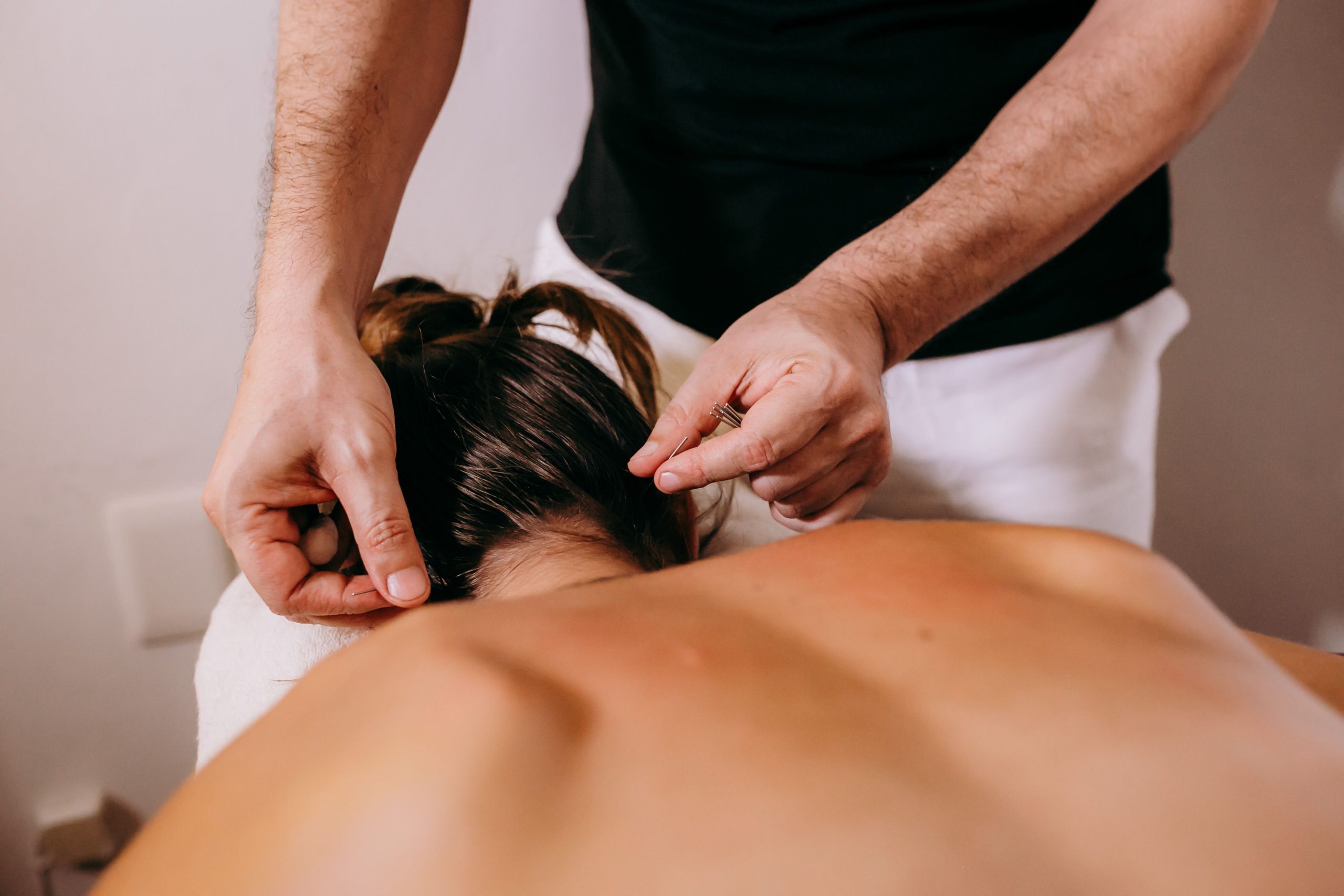
Dry needling and acupuncture get mixed up constantly — and it makes sense, since both use similar thin needles.
But the thinking behind them, and how they’re typically used, is different.
What Acupuncture Does
Acupuncture takes a broader approach. Points are chosen based on traditional Chinese medicine principles and the practitioner’s assessment, rather than only the painful area.
Acupuncture is commonly used for a range of concerns, including some types of musculoskeletal pain and headaches.
What Dry Needling Does
Dry needling is more narrowly focused. Needles are placed into targeted muscles and other soft tissues, often including areas associated with myofascial trigger points, to address pain and movement-related dysfunction.
It’s a Western, musculoskeletal-focused technique rather than a traditional Chinese medicine approach.
Key Differences
- Focus: Acupuncture may take a broader treatment approach. Dry needling is commonly used for specific musculoskeletal pain or movement-related concerns.
- Needle placement: Acupuncture may use traditional acupuncture points. Dry needling targets specific muscles or soft tissues identified during assessment.
- Session length: Acupuncture needles are often retained for a period of time. Dry needling techniques and treatment time can vary depending on the area and treatment approach.
- What it treats: Dry needling is primarily used for musculoskeletal pain and movement-related dysfunction. Acupuncture is used for a broader range of conditions.
Can They Be Used Together?
Yes. Depending on your symptoms and assessment, acupuncture and dry needling may be included within the same treatment plan.
At Reversepain, we may use dry needling for specific muscular concerns and acupuncture as part of a broader treatment approach.
Which One Do You Need?
If your pain is linked to a specific muscular area or movement-related problem, dry needling may be considered as one treatment option.
If your symptoms are more widespread or your practitioner identifies other factors that should be considered, acupuncture — or a combination of approaches — may be discussed as part of your treatment plan.
How Reversepain Therapy Can Help
We’ll assess what’s actually going on before deciding which technique — or combination — makes sense for you.
Book an assessment and we’ll build a plan around what your body actually needs.