Most posture advice focuses on how you sit. Postural and respiratory rehabilitation starts somewhere most people never think about — how you breathe.
Why Breathing and Posture Are Connected
When your posture collapses forward at a desk, it can affect how your ribcage and breathing muscles move. Over time, some people may rely more on accessory muscles around the neck and shoulders during breathing.
This is one reason why “just sit up straighter” may not fix everything on its own.
What Postural & Respiratory Rehabilitation Involves
This approach assesses how your ribcage, diaphragm, and spine move together, then retrains breathing mechanics alongside posture — rather than treating them as two separate problems.
Signs This Might Be Relevant for You
- Shallow, upper-chest breathing you notice when stressed or focused
- Neck and shoulder tension that doesn’t fully resolve with stretching alone
- A sense of tightness across the chest or upper back by the end of the workday
What a Session Looks Like
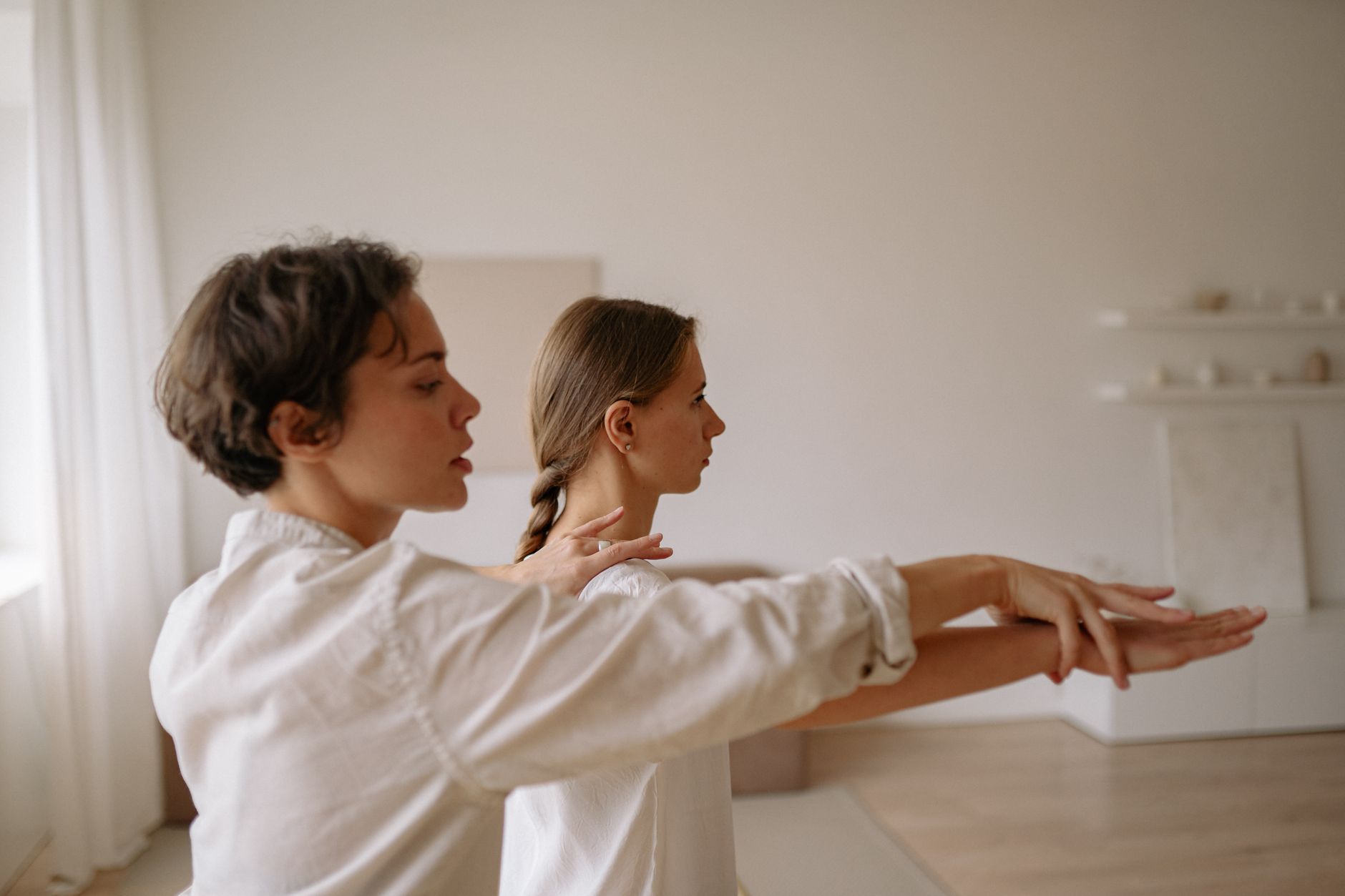
We assess your current breathing pattern and posture together, then work through specific drills to improve how your ribcage and diaphragm move — alongside hands-on techniques to address areas of tension.
How This Differs From General Posture Advice
Generic posture tips address position. This also looks at mechanics — how your breathing and movement patterns interact, which may be one factor contributing to your symptoms.
How Reversepain Therapy Can Help
If typical posture fixes haven’t stuck, breathing mechanics may be another factor worth looking at, not just how you’re sitting. Book an assessment and we’ll look at both together.