You got treatment. You felt better. And then, weeks later, the same pain came back.
If that sounds familiar, you’re not imagining it — and it doesn’t necessarily mean the treatment “didn’t work.”
Why Pain Returns After Treatment
Treatment can help reduce pain and tension in the moment. But the way you move — your posture under load, your walking pattern, or how you compensate around an old injury — may still be contributing to how stress is distributed through your body.
The symptom may improve while contributing movement patterns remain.
Common Patterns We See
- Limited hip mobility that may affect how the lower back moves under load
- Reduced upper back rotation that may be associated with neck or shoulder tension
- Movement compensations that developed after an old injury
- Compensation patterns built up over months or years, without ever being noticed
Where Functional Movement Coaching Fits In
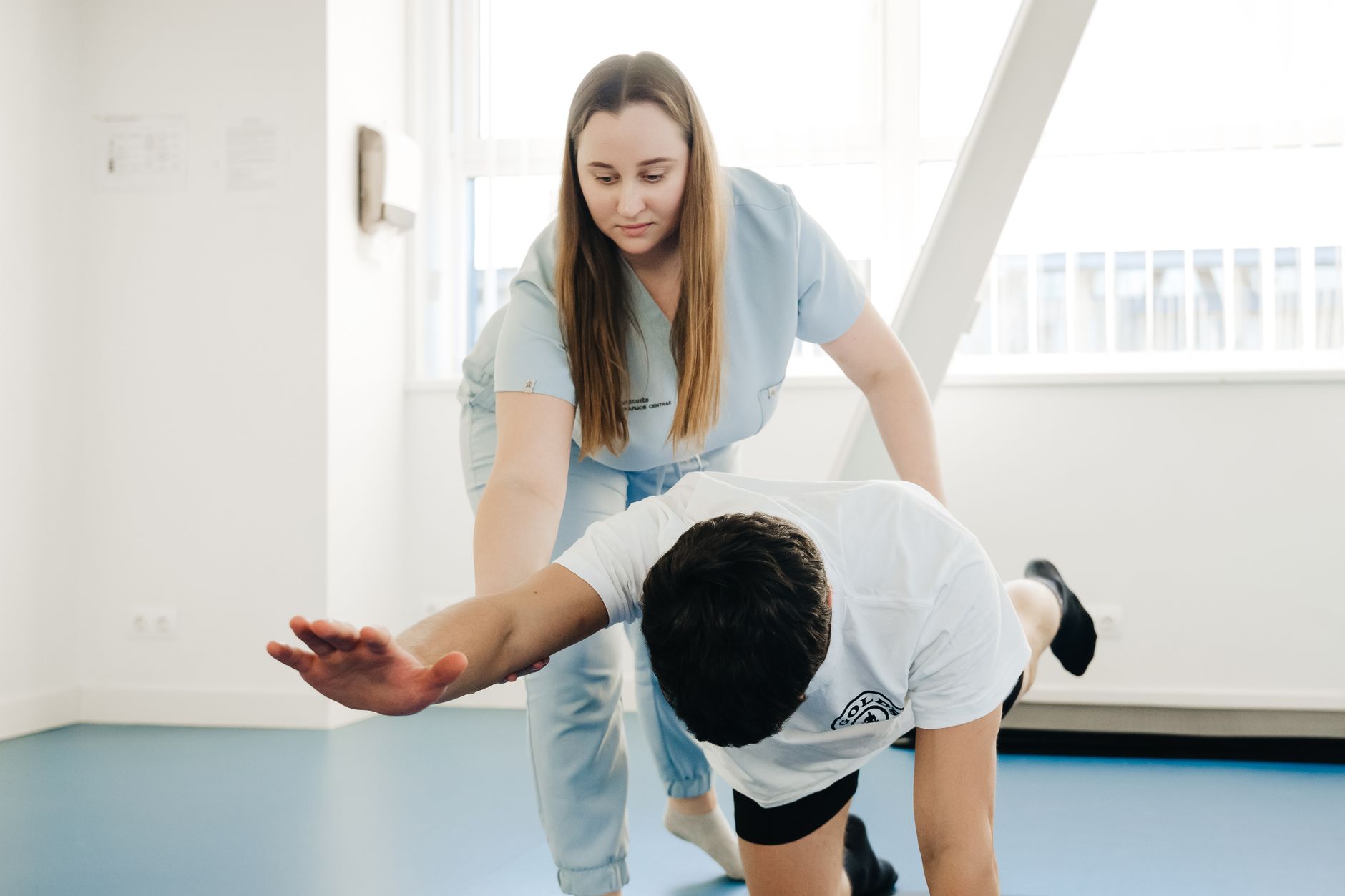
Functional movement coaching looks at how you move, not just where it hurts. Instead of only reducing pain in the moment, it works on movement patterns that may be contributing to repeated stress on the same area.
This can be one part of managing a recurring issue rather than only focusing on temporary symptom relief.
How This Works Alongside Acupuncture
At Reversepain, we don’t see movement and needle-based treatment as separate paths. Acupuncture, PNT, and other techniques may be used to address pain and tension, while movement coaching focuses on how you move and function between treatments.
How Reversepain Therapy Can Help
If your pain keeps returning no matter what you try, one part of the answer may be looking at how you move — not just where it hurts.
Book an assessment and we’ll look at the full picture, not just the symptom.